Ermi Testing in Dallas, TX
ERMI testing services provide homeowners with a detailed assessment of mold and allergen levels within a property. This testing involves analyzing dust samples collected from various areas of a home to identify the presence and concentration of mold species, including those that may be hidden behind walls or in hard-to-reach spaces. Property owners often request ERMI testing when experiencing unexplained allergy symptoms, musty odors, or after water damage or flooding incidents, to better understand indoor air quality and identify potential health risks associated with mold exposure.
Before requesting ERMI testing, property owners typically want to know which areas of the home should be sampled and what the results can reveal about indoor mold conditions. It’s common to seek guidance on whether testing is appropriate for diagnosing mold issues or verifying the effectiveness of remediation efforts. Understanding the scope of the testing can help homeowners make informed decisions about addressing potential mold problems and improving overall indoor air quality.
Many property owners in Dallas, TX look into ERMI Testing for repairs, replacements, upgrades, and appearance-related improvements.
Understanding Ermi Testing
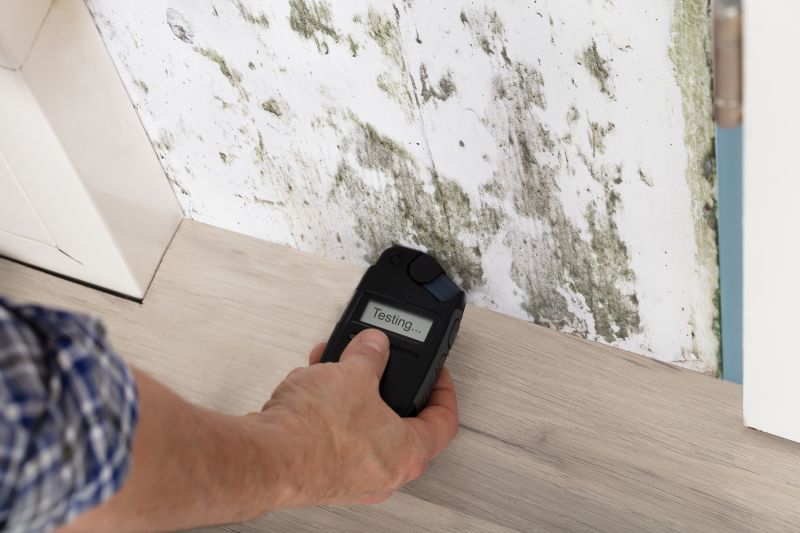
Ermi testing helps identify mold and moisture issues that can affect indoor air quality in dallas homes.

Benefits Of Ermi Analysis
This service provides homeowners with detailed insights to address potential mold problems before they worsen.
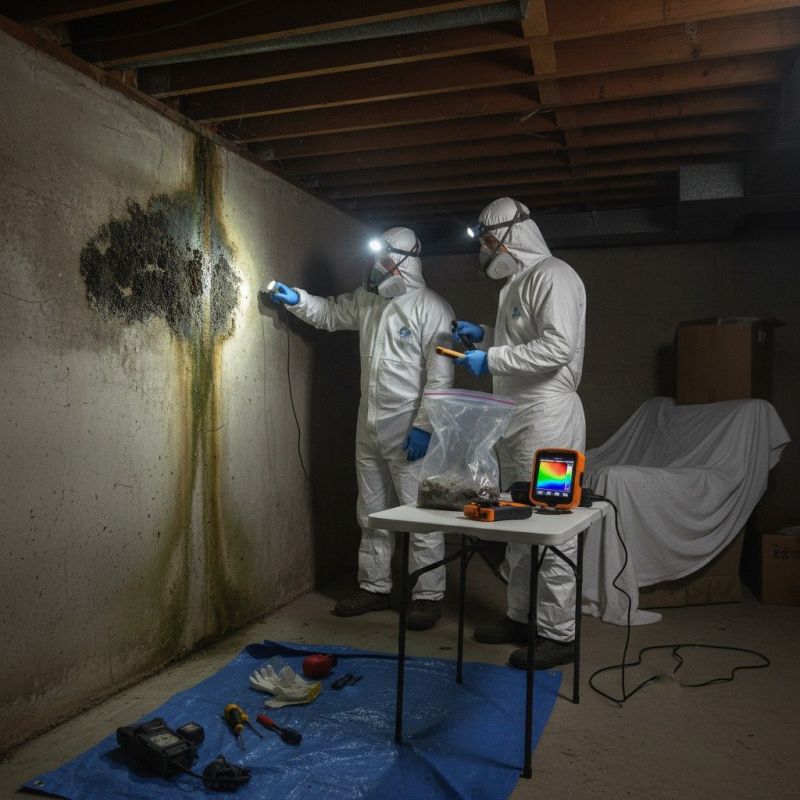
Common Uses Of Ermi Testing
Ermi testing is often used after water damage, renovation projects, or to investigate unexplained allergy symptoms indoors.
Ermi Testing in Dallas, TX

ERMI testing services provide homeowners with a detailed assessment of mold and allergen levels within a property. This testing involves analyzing dust samples collected from various areas of a home to identify the presence and concentration of mold species, including those that may be hidden behind walls or in hard-to-reach spaces. Property owners often request ERMI testing when experiencing unexplained allergy symptoms, musty odors, or after water damage or flooding incidents, to better understand indoor air quality and identify potential health risks associated with mold exposure.
Before requesting ERMI testing, property owners typically want to know which areas of the home should be sampled and what the results can reveal about indoor mold conditions. It’s common to seek guidance on whether testing is appropriate for diagnosing mold issues or verifying the effectiveness of remediation efforts. Understanding the scope of the testing can help homeowners make informed decisions about addressing potential mold problems and improving overall indoor air quality.
Many property owners in Dallas, TX look into ERMI Testing for repairs, replacements, upgrades, and appearance-related improvements.
Common Ermi Testing Jobs
ERMI Testing - Identifies the level of mold contamination in indoor environments.
Home inspections - Assesses mold presence and potential health risks in residential properties.
Remediation planning - Provides data to develop effective mold removal strategies.
Air quality evaluations - Detects mold spores and other airborne contaminants affecting indoor air.
Post-remediation testing - Confirms mold levels are reduced to safe and acceptable standards.
Property assessments - Helps homeowners understand mold risks and necessary mitigation steps.
Ermi Testing Questions
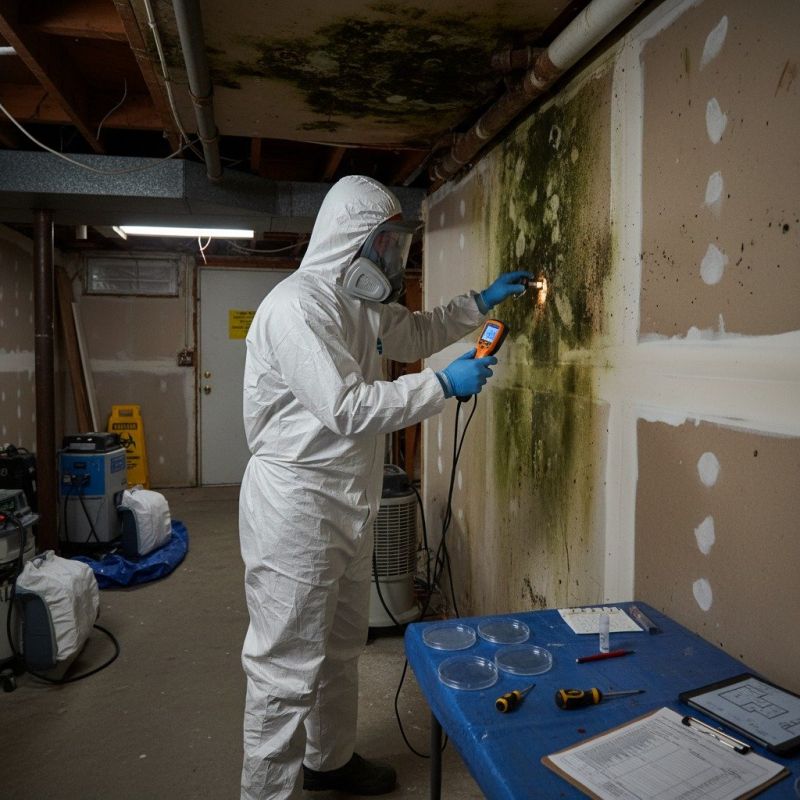
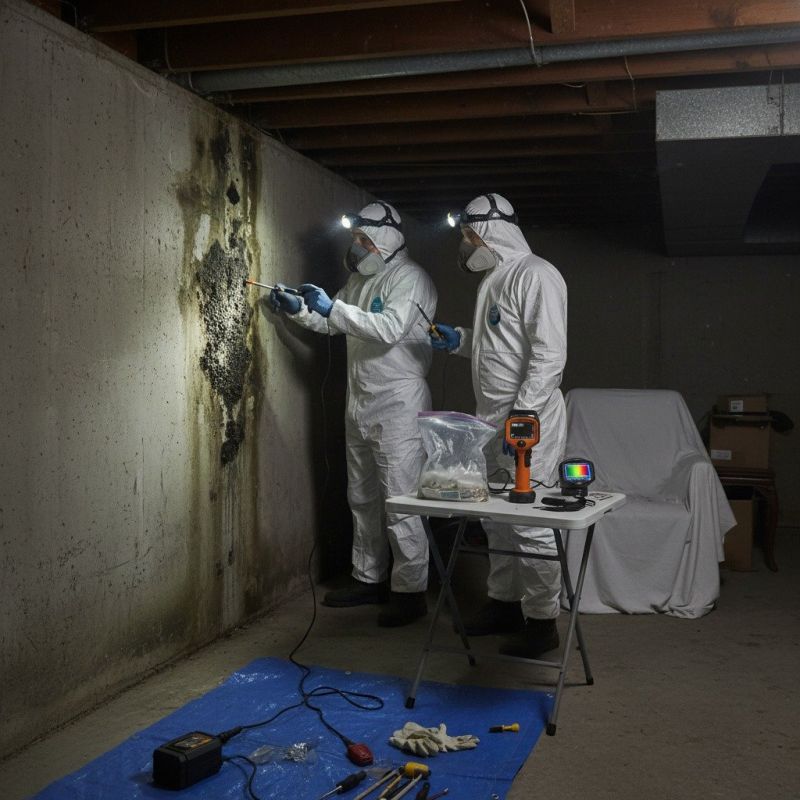
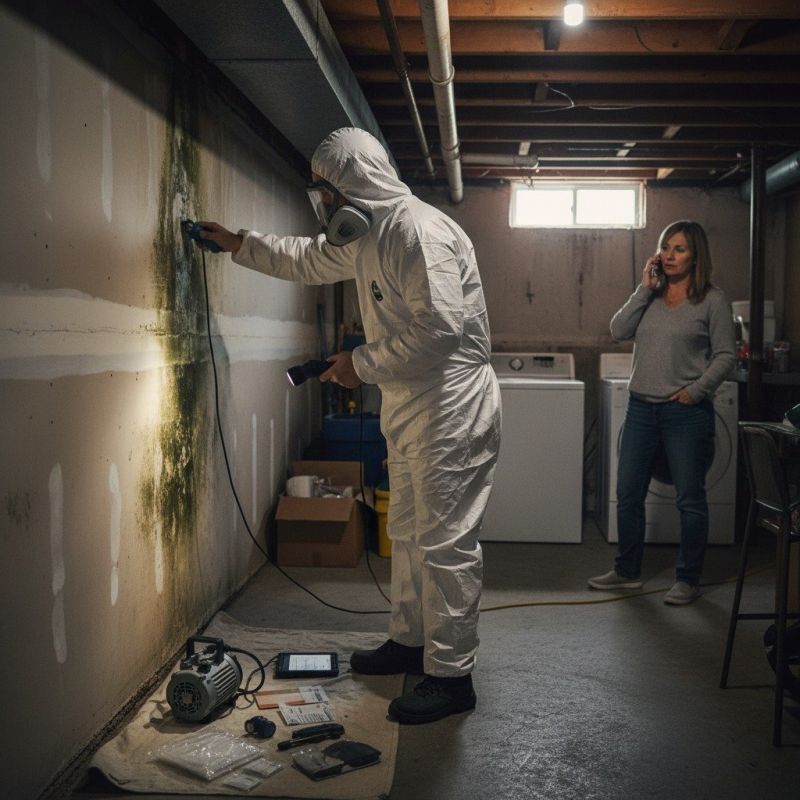
What is ERMI testing? ERMI testing measures mold DNA levels in building materials to identify potential mold problems.
Why should property owners consider ERMI testing? It helps detect hidden mold issues that may affect indoor air quality and health.
What types of properties benefit from ERMI testing? Homes, rental properties, and commercial buildings can all benefit from this testing method.
How does ERMI testing work? It involves collecting dust samples from surfaces to analyze mold species and levels present in the environment.
Request Ermi Testing in Dallas, TX
Use the quote form on this page to share the basics of your project and request more information for the type of work you need.